Introduction
In the ever-evolving landscape of education, the safety and wellness of trainees remain extremely important. As educators, having a strong understanding of emergency treatment is not simply beneficial; it's vital. This article, Building Teacher Confidence in First Aid: Training and Resources, intends to empower teachers with the expertise and skills needed to properly react to emergency situations. By diving into various parts of first aid training, resources offered, and ideal techniques, we will certainly work together to foster a society of safety and security within academic settings.
Building Teacher Confidence in Emergency Treatment: Training and Resources
When it pertains to supplying first aid in academic environments, confidence is essential. Educators often discover themselves on the cutting edge throughout emergency situations-- be it a playground incident or a medical event like a bronchial asthma strike. The HLTAID012 Give First Aid in Education program equips educators with essential abilities ranging from standard wound management to much more intricate treatments such as kid defibrillation guidance.
Understanding HLTAID012 Certification Australia
The HLTAID012 accreditation is specifically customized for those operating in educational settings. It covers necessary subjects like:
- Recognising asthma symptoms Managing minor wounds Choking prevention Epipen administration
This thorough training guarantees that teachers are not just experienced yet additionally positive when confronted with emergencies.
The Importance of Choking Prevention Techniques
Choking events can occur at any time, particularly amongst little ones who are prone to placing items in their mouths. Recognizing efficient choking avoidance methods is crucial for teachers. Right here are some techniques:
Supervision: Constantly monitor children during meal times. Food Preparation: Cut food right into small items that are workable for young ones. Education: Show kids about foods that pose choking hazards.By incorporating these strategies into daily regimens, educators can minimize the threat of choking incidents.
Epipen Administration Basics
For kids with serious allergies, recognizing how to carry out an epinephrine auto-injector (Epipen) can be life-saving. Trick actions consist of:
Recognising Symptoms: Recognize indications of an allergic reaction. Immediate Action: Administer the Epipen as per guidelines. Follow-Up: Seek emergency situation medical help promptly after administration.Training on epipen administration ought to become part of any extensive emergency treatment program for educators.
Managing Minor Wounds Effectively
Minor injuries prevail in school atmospheres. Comprehending exactly how to manage them appropriately can stop infections and issues. The complying with actions must be taken:
Clean Hands: Exercise proper hand health before treating any type of wound. Clean the Wound: Use soap and water or saline solution. Apply Dressing: Cover the wound with an appropriate bandage.Proper training on taking care of minor wounds assists infuse self-confidence amongst teachers when responding to injuries.
Implementing Correct Hand Hygiene Standards
Hand health is crucial in avoiding infections, especially in childcare setups where germs spread out easily. Secret methods consist of:
- Washing hands with soap and water for a minimum of 20 seconds. Using hand sanitizer when soap isn't available. Teaching children regarding hand health via appealing activities.
Creating a society of cleanliness not just secures pupils but additionally encourages teachers by decreasing illness-related absences.
Child Defibrillation Guidance
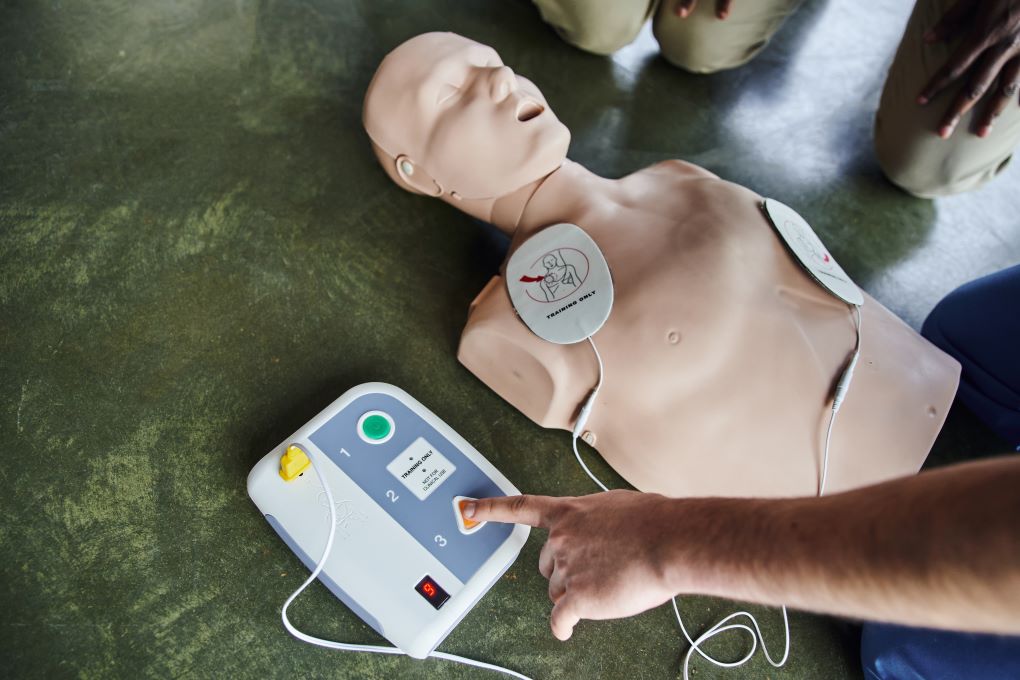
Training educators on youngster defibrillation is crucial as heart emergencies can take place unexpectedly even among young people. Basic principles include:

Equipping staff with this expertise cultivates self-confidence throughout high-stress scenarios, possibly conserving lives.
Recognising Bronchial asthma Signs in Children
Asthma affects several children; therefore having the ability to recognise its signs and symptoms early can lead to much better monitoring and fewer emergency situations. Common signs consist of:
- Wheezing Coughing Shortness of breath
Educators learnt determining these signs and symptoms can act quickly, making certain that affected trainees get timely intervention.
Addressing Play ground Mishaps through Training
Playgrounds are usually where fun satisfies crashes-- safety and security protocols should be established to take care of accidents effectively:
Regularly evaluate play ground devices for safety and security hazards. Train team on how to respond swiftly to injuries suffered during playtime. Implement incident reporting protocols to guarantee all mishaps are documented properly.By taking these safety measures, teachers will certainly feel extra prepared and certain when handling unforeseen situations on the playground.
Childproofing Strategies for Educational Settings
Creating a risk-free understanding atmosphere starts with childproofing classrooms and usual areas properly:
Remove sharp items from available areas. Secure hefty furnishings versus walls. Use non-toxic products for arts and crafts activities.Implementing childproofing techniques not only shields trainees however likewise relieves anxiousness among staff relating to prospective hazards.
Incident Reporting Protocols Necessary for Safety
An indispensable component of structure educator self-confidence lies in developing clear event reporting procedures:
Document every incident precisely making use of pre-designed forms. Notify parents regarding substantial cases immediately. Review reports frequently for potential patterns or persisting issues.With specified protocols, staff members feel empowered knowing they have an organized means to deal with occurrences responsibly.
Understanding Immediate Action Responsibilities
Educators frequently encounter instant response responsibilities throughout clinical emergency situations-- understanding what those involve boosts their readiness:
- Assess the circumstance calmly before acting. Call emergency situation services if required without delay. Communicate clearly with pupils about what's occurring at their degree of understanding.
Being proactive about instant feedback responsibilities enhances educator confidence significantly during crises.
Balancing Created vs Practical Elements in Training Programs
When it comes to emergency treatment training programs such as HLTAID012 certification Australia, stabilizing composed knowledge with functional application is crucial:
|Component|Significance|| -----------------|------------|| Composed Expertise|Gives fundamental understanding|| Practical Skills|Gears up people with hands-on experience|
Striking this balance ensures that participants obtain both theoretical insights and useful proficiency-- crucial elements in reliable emergency reaction measures.
Knowing Revival Timelines for Certifications
First aid certifications generally require revival every three years; nonetheless, knowing specific timelines based on neighborhood policies helps teachers intend ahead:
Staying updated cultivates an atmosphere where everyone focuses on safety and security equally while boosting teacher confidence collectively!
Baby mouth-to-mouth resuscitation Australia Guidelines
For childcare employees looking after infants throughout emergencies like choking or unresponsiveness, understanding Child mouth-to-mouth resuscitation is crucial! Bottom https://marcodbck480.lucialpiazzale.com/boost-your-abilities-with-cpr-training-near-you-in-southport line consist of:
1) Examine responsiveness delicately touching shoulder-- "Are you okay?" 2) If there's no reaction-- call emergency situation solutions immediately! 3) Begin chest compressions at a price around 100/minute followed by rescue breaths every 30 compressions till help arrives!
Introducing formal training sessions focusing especially on infant mouth-to-mouth resuscitation gives very useful life-saving skills while reassuring caregivers they're furnished take care of such circumstances confidently!
Toddler Emergency treatment Essentials Australia Overview
Toddlers present special obstacles requiring customized strategies toward first-aid preparedness! Important topics covered consist of;
-- Recognition & & Monitoring Childhood Years High Temperature-- Identifying Signs & & Symptoms Allergies-- Methods Managing Falls & & Sprains
Tailoring content straight dealing with toddler-specific demands makes sure caretakers stay cautious supplying required assistance whenever required!
Childcare Centre Emergency treatment Set Australia Requirements
Every child care center must maintain compliant first-aid sets stocked sufficiently according state guidelines! Essentials might consist;
-- Adhesive Bandages (numerous dimensions)-- Gauze Pads & & Tape-- Antibacterial Wipes-- Thermostats
Regularly examining supply within these kits guarantees HLTAID012 Provide First Aid in an education and care setting Gold Coast readiness ought to emergencies develop leading in the direction of boosted instructor confidence throughout differing situations encountered daily!
First Help For Youth Fever Australia Practices Explained!
Childhood high temperatures comprise usual occurrences motivating caregivers apply standard treatment approaches efficiently! Basic practices entail;
-- Keeping An Eye On Temperature Regularly-- Providing Age Appropriate Medication (e.g., Paracetamol/Ibuprofen)-- Motivating Fluid Intake
Understanding procedures surrounding childhood fevers prepares parents/guardians alike browsing prospective problems emerging together with keeping healthy settings fostering finding out experiences uninterruptedly!
Childcare Security Threats Australia Analysis!
Awareness bordering prevalent hazards run into within childcare settings crucial safeguarding youngsters's wellness! Famous classifications encompass;
- Physical Risks (e.g., unsafe floorings) Chemical Threats (e.g., cleansing representatives) Emotional Threats (e.g., bullying)
Conducting routine evaluations determining risks allows proactive measures happen ultimately cultivating protected atmospheres favorable growth exploration enjoyment learning journeys taken on with each other collaboratively!
Frequently Asked Inquiries (FAQs)
Q1: What does HLTAID012 cover?
HLTAID012 covers different aspects related to supplying emergency treatment specifically tailored for educational environments such as managing small injuries, recognizing asthma symptoms, providing epinephrine shots, and much more complex procedures like child defibrillation guidance.
Q2: Exactly how often should I restore my emergency treatment certification?
Typically certifications require renewal every three years; however maintaining track specific timelines based regional regulations may vary accordingly.
Q3: What must I consist of in my child care centre first-aid kit?
A certified kit must contain essentials such as adhesive tapes (various sizes), gauze pads & & tape antibacterial wipes thermostats amongst items making certain readiness!
Q4: Just how can I acknowledge asthma symptoms?
Common indicators consist of wheezing coughing shortness breath persistent chest rigidity calling for quick activity facilitate prompt intervention!
Q5: What are some reliable choking avoidance techniques?
Effective techniques entail supervision during meals cutting food right into little items instructing children about food risks urging open communication regarding potential risks involved!
Q6: What actions do I take if a youngster chokes?
First examine whether they're able take a breath coughing speak; if not supply back strikes abdominal thrusts till aid gets here guaranteeing keep calm throughout process aiding child gain back stability promptly!
Conclusion
In conclusion, equipping instructors with detailed knowledge regarding emergency treatment via programs like HLTAID012 gives important tools needed navigate emergencies confidently capably while cultivating more secure environments favorable development expedition satisfaction discovering experiences undertaken collaboratively among peers alike! By highlighting proper training resources implementing finest practices dealing with possible problems proactively we develop more powerful areas concentrated making sure well-being future generations delegated our treatment ultimately boosting total high quality education provided constantly throughout board!